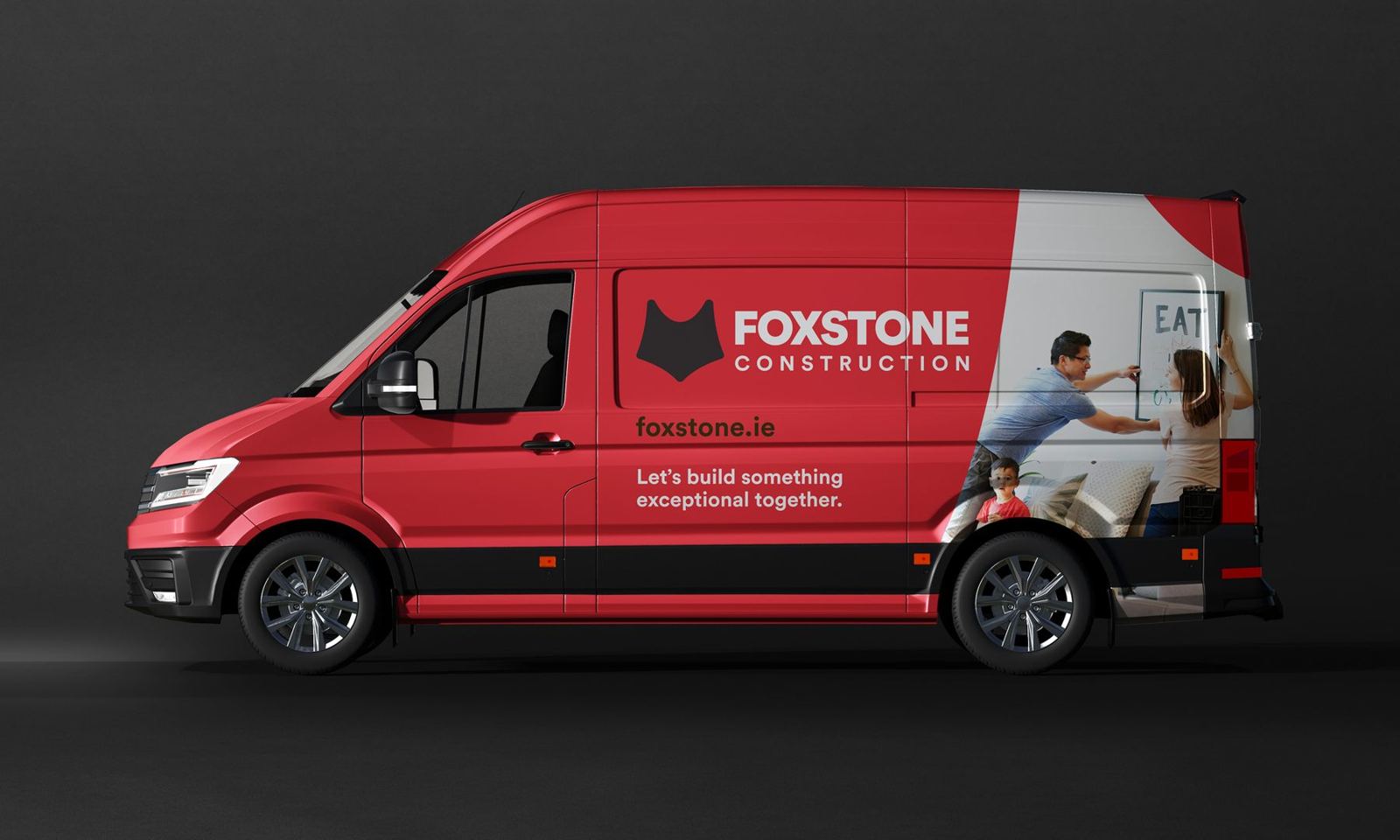
When you leave a bigger firm, you leave its reputation behind. Clients trusted you, but they also trusted the name over the door, the website, the polished brochure. On day one of going out on your own, none of that comes with you. Your brand has to do that job instead, before anyone has seen your work under your own name.
That's the real reason to get your brand right early. It isn't vanity. It's about being trusted by people who don't know you yet.
1. Decide who you're for before you decide what you look like
Most people start with the logo. It's the fun bit, and it feels like progress. But a logo can only express a decision you've already made, so make the decision first.
Answer three questions honestly:
- Who exactly do you want to win? Not "everyone in Dublin". The client you'd most like to have ten more of.
- Why would they pick you over the firm you've just left? Usually it's something personal: more attention, deeper local knowledge, a more honest way of working.
- What proof do you have? Years of experience, past results, people you've worked with. You have more of a track record than you think. It's just not under this name yet.
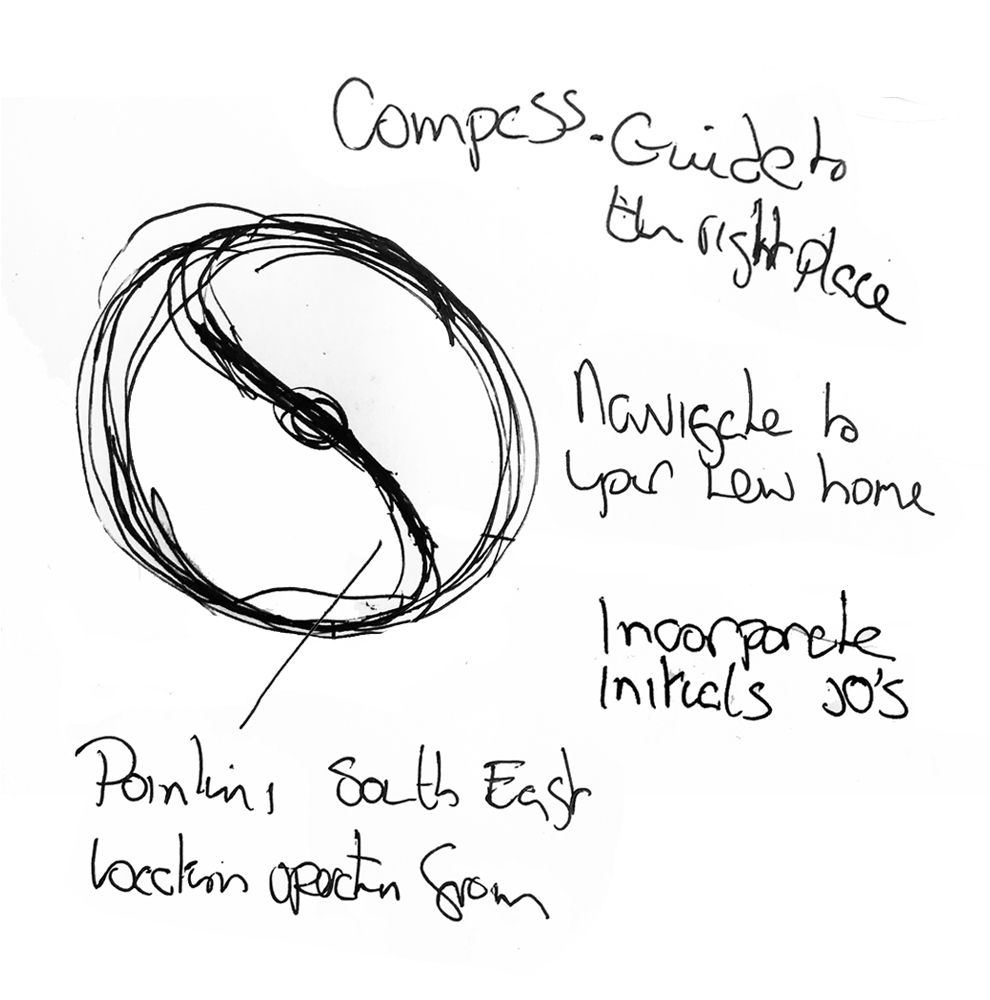
When John O'Sullivan went out on his own as an estate agent, the answer to the second question was the thing the big agencies couldn't offer: a calm, personal service from someone who knows South County Dublin street by street. Everything we designed after that was tested against it.
2. Check the name before you fall for it
A name is the one thing that's genuinely painful to change later, so do the boring checks now. Search the CRO register, check the .ie and .com domains, look at the social handles, and search the trade mark registers for anything close in your sector. If you're trading under any name other than your own, you'll need to register it as a business name with the CRO.
Then say it out loud. Spell it over the phone. If you have to explain it every time, that's a cost you'll pay for years.
3. Get an identity you own, in every version you'll need
A template or generator logo is fine as a placeholder, but thousands of other businesses can use the same one, and you'll look like them at the exact moment you need to stand out. Whatever you end up with, make sure you get:
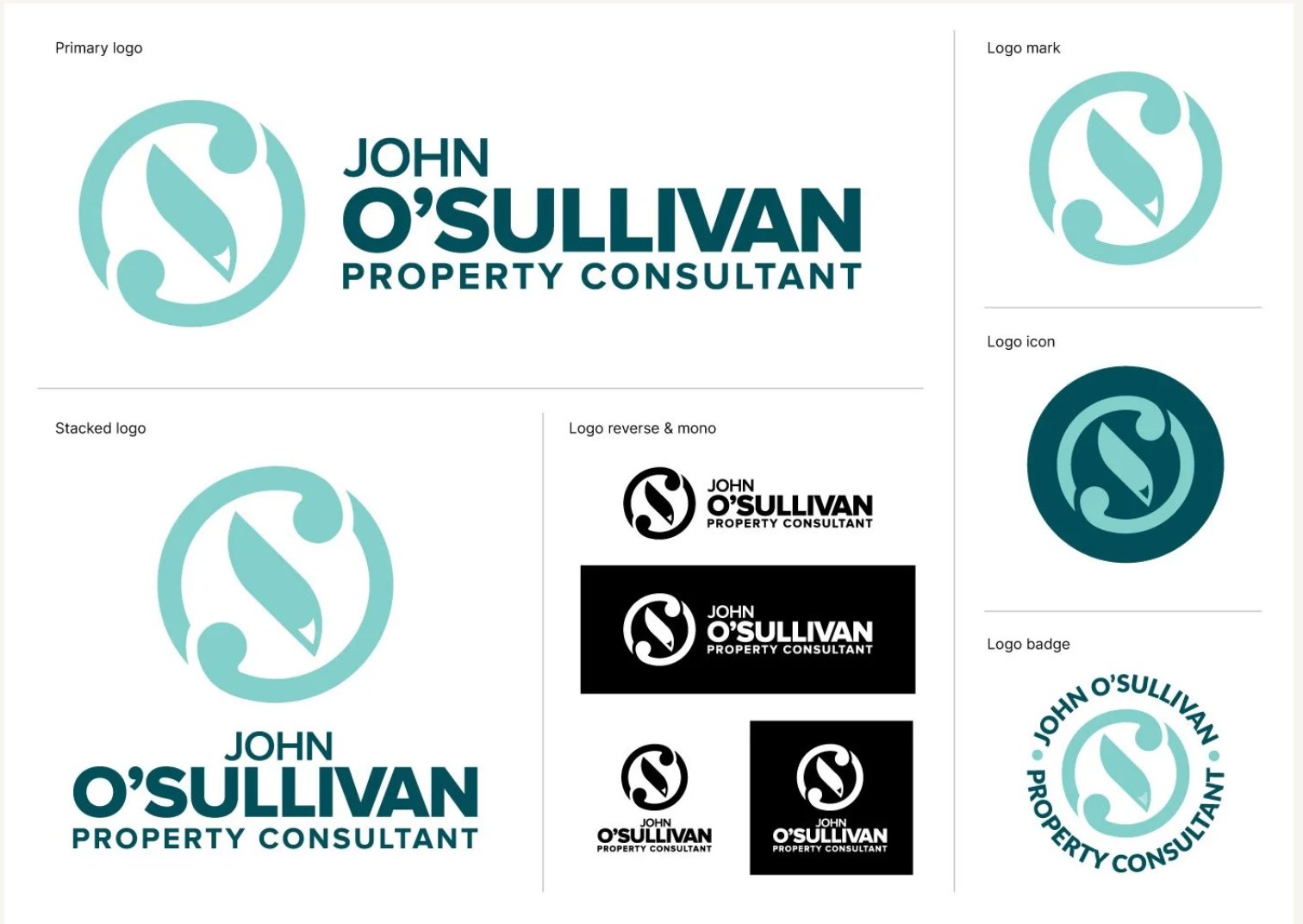
- Every version: full, stacked, icon, colour, reversed and single colour
- Every format: SVG and PDF for print and signage, PNG for everyday use
- Exact colour values and font names, so every printer gets it right
- The copyright assigned to you in writing once it's paid for
4. Build the few things people check first
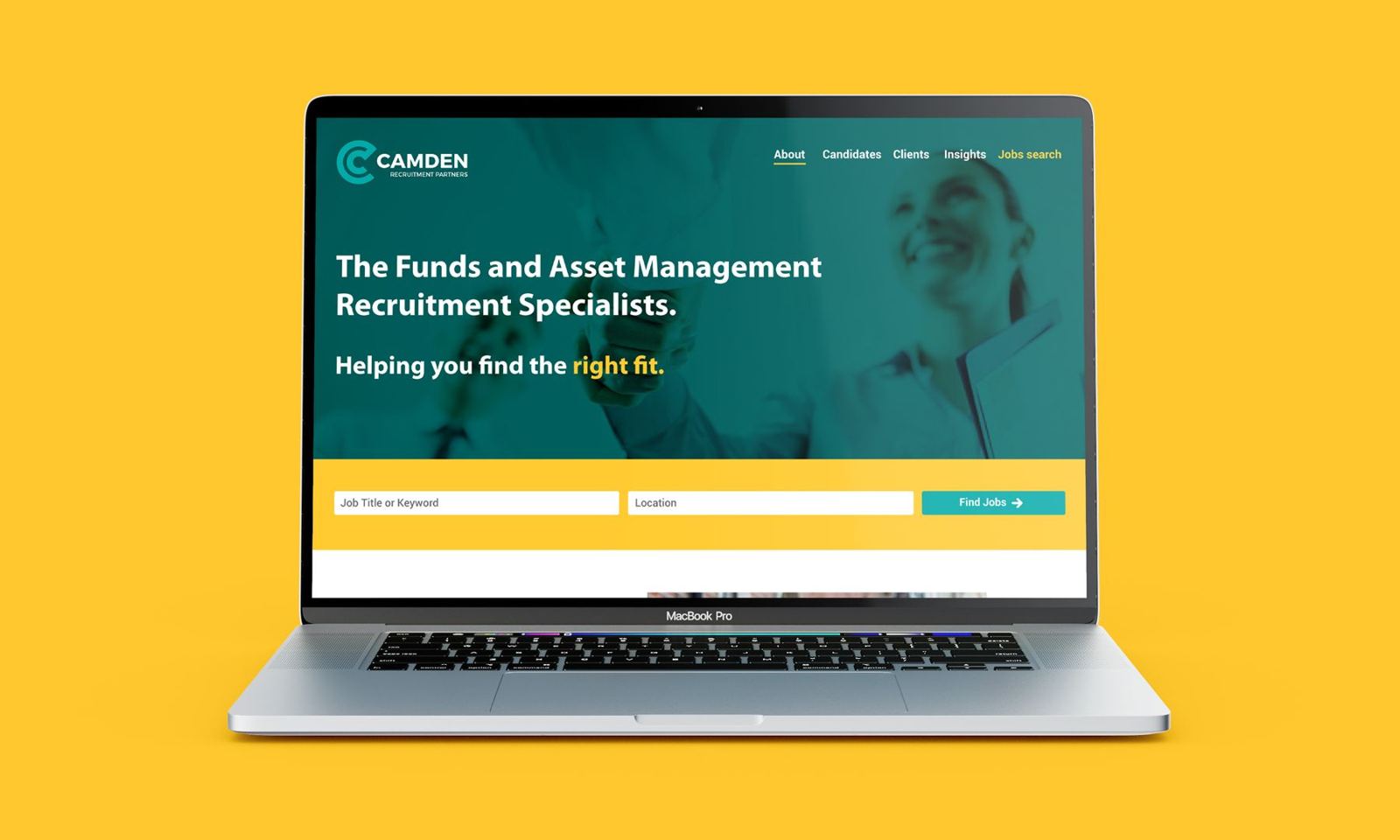
After someone hears your name, they look you up. For most new businesses, that means four things: your website, your Google Business Profile, your LinkedIn, and your email address. An address on your own domain looks settled. A free webmail address quietly suggests you might not be around in a year.
Your website doesn't need to be big. It needs to say what you do, who it's for and why you're credible, and make it easy to get in touch. A single page that does that well beats ten pages that don't.
5. Leave the expensive, physical things until last
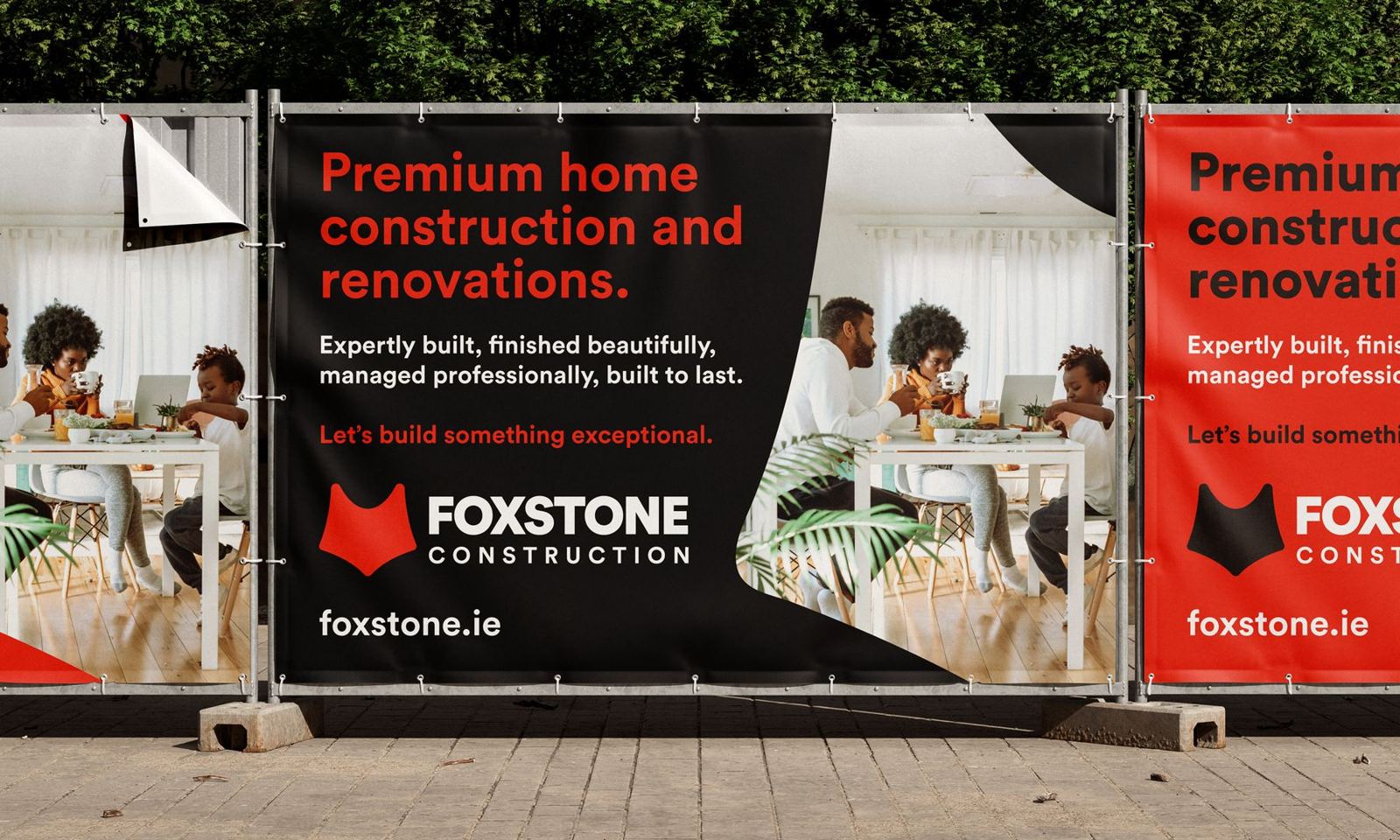
Boards, signage, van livery, workwear and big print runs are where mistakes get expensive. Order them once the name, the position and the identity are settled, not before. A van wrap or a set of boards can easily cost more than the logo did, so it pays to get them right once.
What can wait
You don't need a full brand book, a blog, a podcast, a big content plan or a presence on every social platform on day one. You need to look credible in the handful of places people actually check, and be easy to contact. Everything else can grow with the business.
The short version
Decide who you're for. Check the name. Get an identity you own. Make the first places people look you up feel solid. Then order the physical things. If you do it in that order, you'll spend less and look established much sooner.
I've put the whole list into a free printable checklist, including the details you're legally required to show on letters and your website.